
The challenges of age can be many and may feel like they accumulate – including the higher rates of disease and injury.
In fact, one of the biggest risk factors of developing a chronic disease is age itself.
Then isn’t it beholden on us to make the most of what we have; to be active, see our family and friends, to dine out, go to the footy, the beach, the cinema or just be involved? Of course, and being healthy lets us enjoy all the things we love, and good nutrition provides the health and vitality to do them.
Some of us may not feel as vital and energetic as we used to, though, and it’s probably true that we all slow down a little as we age. While it’s natural, and easy, to blame it on ‘just getting old’ and our bodies wearing out, the nutritional deficiencies that can develop as we age aren’t generally from our digestive systems weakening.
Apart from medical conditions and medications, it’s more that we tend to not eat enough, or enough of the right things, to keep up with our needs. Which is great news, because it means we can do something about it by changing your diet.

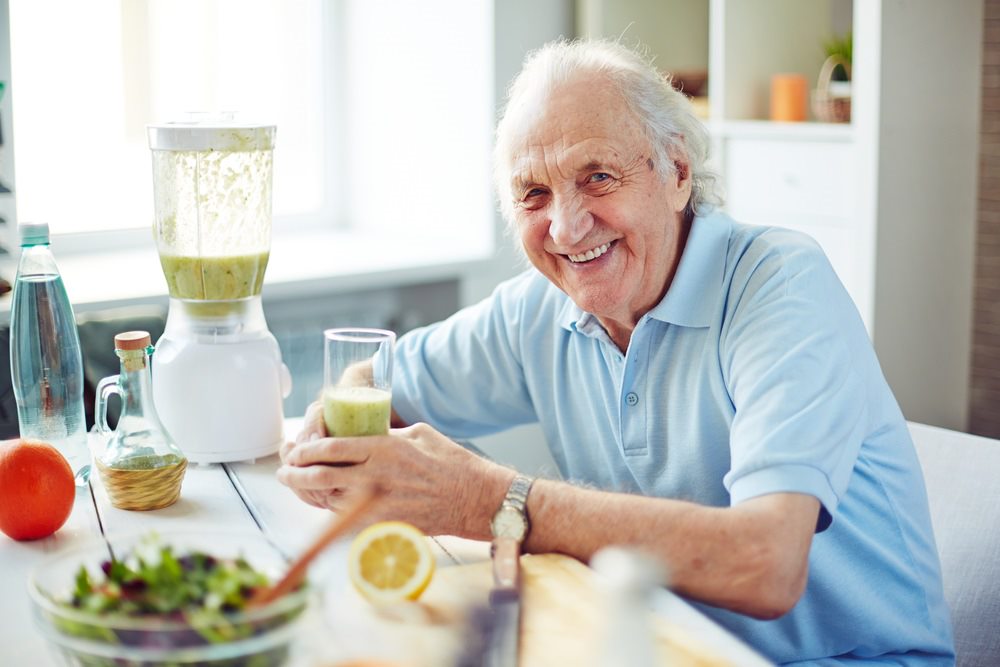
Specifically, there are key nutrients that have been researched and identified as being needed by mature-age people at different levels to younger people.
For example, our total energy requirement (in kilojoules) decreases by 15-20% as we age (depending on whether you’re female or male), but our needs for several specific nutrients go up. This includes protein, riboflavin (B2), vitamin B6, calcium and vitamin D, but in contrast, women’s need for iron goes down.
Then again, there are some nutrients that we don’t actually require more or less of, but because our diets tend not to include as much of them as when we were younger, we need to boost (or re-introduce) them in our diets – these include zinc and vitamin B12.
Not eating enough of these important nutrients can cause real deficiencies and genuine medical conditions. Because of the way our bodies manage our internal protein stores when we’re older, having insufficient protein can lead to a muscle wasting condition called sarcopenia.
Not enough zinc impairs our wound healing abilities, immune function, and appetite and can also lead to eye and skin lesions. On top of that, low levels of riboflavin can increase our risk of cardiovascular disease, dermatitis and anaemia, and cause an inflamed mouth, and vitamin B6 deficiency can lead to depression and confusion, and dermatitis and anaemia as well.
It’s enough to make you want to see a Nutritionist!
Osteoporosis is possibly the most well-known affliction of ageing, which is where our bones become fragile and brittle, and more susceptible to fracturing or breaking.
Around 15% of women and 3% of men between 55-64 years old have it, rising to about 29% of women and 10% of men aged 75 and over. Indicatively, about 22 percent of women and 6 percent of men will likely suffer a fracture from it.
Importantly, though, we can take steps to minimise the thinning of our bones and prevent the falls that cause those fractures – and they come down to diet and exercise.
While it won’t cure the condition, getting enough calcium, vitamin D and weight-bearing exercise can slow its progression, and provide improvements in your bone density, general stability and posture.

It’s been said that we become increasingly diverse (I like to think ‘unique’) as we age, and that seems to apply so well to the conditions that afflict us. Regardless of your nutritional issue, though, you’ll always receive a respectful and considered consultation at Glowing Health Nutrition. The approach employed here is to first listen to you to understand your situation and what you need from us, before providing you with practical and understandable advice. We’re here to support you with your nutritional condition, so are with you on that journey for as long as you need us.
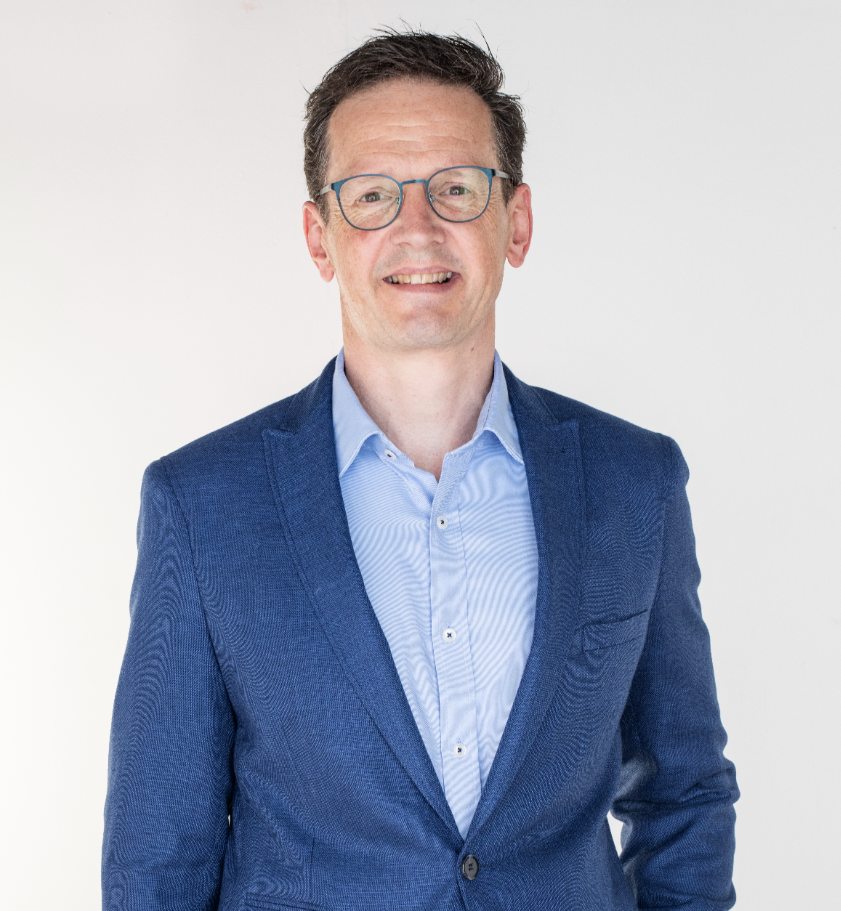
Rick Lapeyre MHNutr., BHSc.(Clin.Nut.)
Principal Nutritionist – Glowing Health Nutrition.
Rick Lapeyre is a highly qualified nutritionist who brings a wealth of skills and experience to the role.
Rick is a member of the Australian Natural Therapists Association (ANTA) member no. 30053. He is also a member of the Nutrition Society of Australia (NSA).

 Call Us: 0414 825 015